



- 22 Ιαν, 2024
- 0 Σχόλια
- 1 Λεπτά Διάβασμα
8. Τι είναι ο όρος brain entrainment ή neural entrainment;
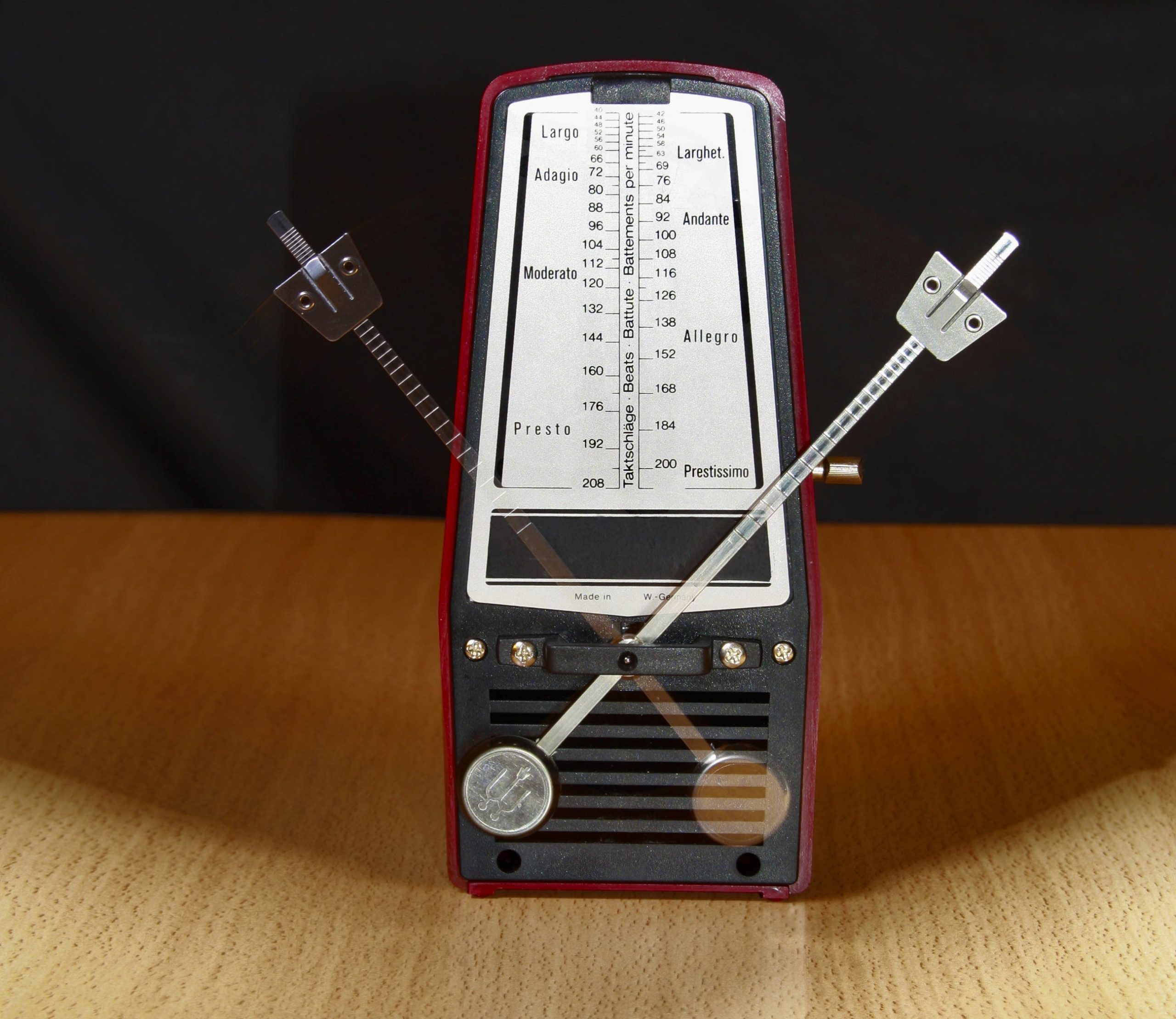
Ο όρος brain/neural entrainment είναι ο συγχρονισμός των εγκεφαλικών κυμάτων ενός ανθρώπου με ένα εξωτερικό περιοδικό ερέθισμα, το οποίο μπορεί να περιλαμβάνει μόνο ηχητικούς παλμούς ή μόνο παλμούς φωτός ή και τα δυο. Οι παλμοί αυτοί ορίζονται να εκπέμπουν σε συγκεκριμένες συχνότητες και καθοδηγούν τον εγκέφαλο να συντονίζεται κάθε φορά στην επιθυμητή συχνότητα.

Με άλλα λόγια, brain/neural entrainment είναι οποιαδήποτε πρακτική στοχεύει στο να κάνει τις συχνότητες/τα κύματα του εγκεφάλου να ταιριάζουν με ένα εξωτερικό περιοδικό ερέθισμα (ηχητικό ή οπτικό ή και τα δύο).
References
Addante R. et al. (2021) ‘Boosting brain waves improves memory’, Frontiers for Young Minds. doi: 10.3389/frym.2021.605677 (Accessed: 16 March 2023)
Kourtzi, Z. et al. (2023) ‘Learning at your brain’s rhythm: individualized entrainment boosts learning for perceptual decisions’, Cerebral Cortex, 33 (9) 1, pp. 5382–5394; doi: https://doi.org/10.1093/cercor/bhac426
Roberts, B.M., Clark, A., Addante, R. J., and Ranganath, C. 2018. Entrainment enhances theta oscillations and improves episodic memory. Cognitive Neuroscience. (9), pp.181–193. doi: https://doi.org/10.1080/17588928.2018.1521386
University of Cambridge (2023) Science Daily. ‘Tuning into brainwave rhythms speeds up learning in adults, study finds’. Available at: https://www.sciencedaily.com/releases/2023/01/230131101912.htm (Accessed: 3 March 2023)
Α. Extras
Bánki, A. et al. (2022) Neural Entrainment vs. Stimulus-Tracking: A Conceptual Challenge for Rhythmic Perceptual Stimulation in Developmental Neuroscience, Frontiers in Psychology, 13, DOI: https://doi.org/10.3389/fpsyg.2022.878984
Helfrich, R.F. et al. (2019) Neural entrainment and network resonance in support of top-down guided attention, Current Opinion in Psychology, 29, pp. 82-89. DOI: https://doi.org/10.1016/j.copsyc.2018.12.016
Lakatos, P. et al. (2019) A New Unifying Account of the Roles of Neuronal Entrainment, Current Biology, 29, pp. 890–905. DOI: https://doi.org/10.1016/j.cub.2019.07.075
Riddle, J. et al. (2020) Causal Evidence for a Role of Theta and Alpha Oscillations in the Control of Working Memory, Current Biology, 30, 1748–1754. doi: https://doi.org/10.1016/j.cub.2020.02.065
B. Extras
Calderone, D.J. et al. (2014) Entrainment of neural oscillations as a modifiable substrate of attention, Trends in Cognitive Sciences, 18(6), pp. 300-309. DOI: https://doi.org/10.1016/j.tics.2014.02.005
Henao, D. et al. (2020) Entrainment and synchronization of brain oscillations to auditory stimulations, Neuroscience Research, 156, pp. 271-278. doi: https://doi.org/10.1016/j.neures.2020.03.004
Klimesch, W. (2012) Alpha-band oscillations, attention, and controlled access to stored information, Trends in Cognitive Sciences, 16(12), pp. 606-17. DOI: https://doi.org/10.1016/j.tics.2012.10.007
Mathewson, K.E. et al. (2012), Making Waves in the Stream of Consciousness: Entraining Oscillations in EEG Alpha and Fluctuations in Visual Awareness with Rhythmic Visual Stimulation, Journal of Cognitive Neuroscience, 24 (12): 2321–2333. doi: https://doi.org/10.1162/jocn_a_00288
Wiesman, A.I and Wilson, T.W (2019) Alpha Frequency Entrainment Reduces the Effect of Visual Distractors, Journal of Cognitive Neuroscience, 31 (9): 1392–1403. doi: https://doi.org/10.1162/jocn_a_01422
